Showing posts with label Saints. Show all posts

Wednesday, May 8, 2024

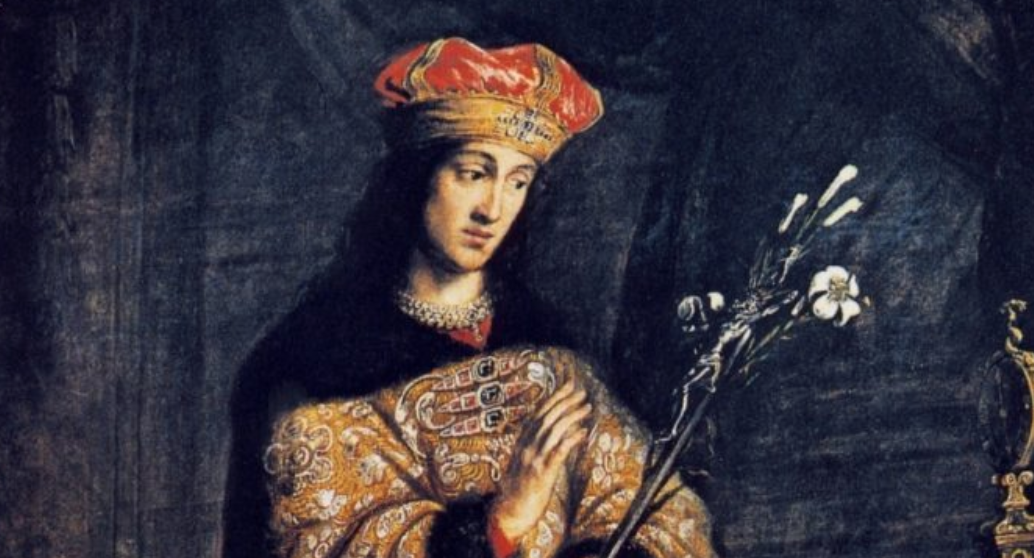
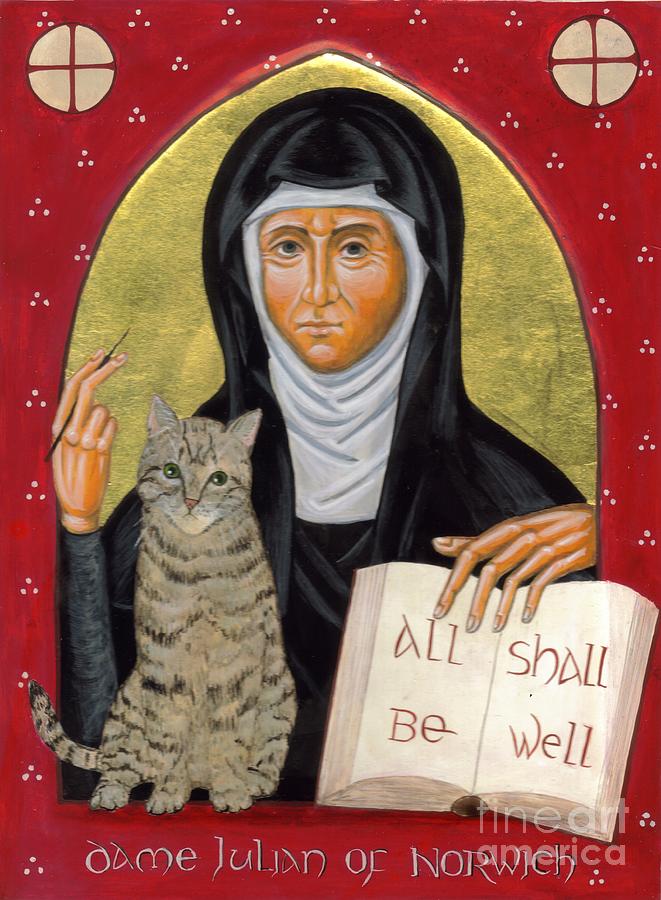
Remembering Julian of Norwich


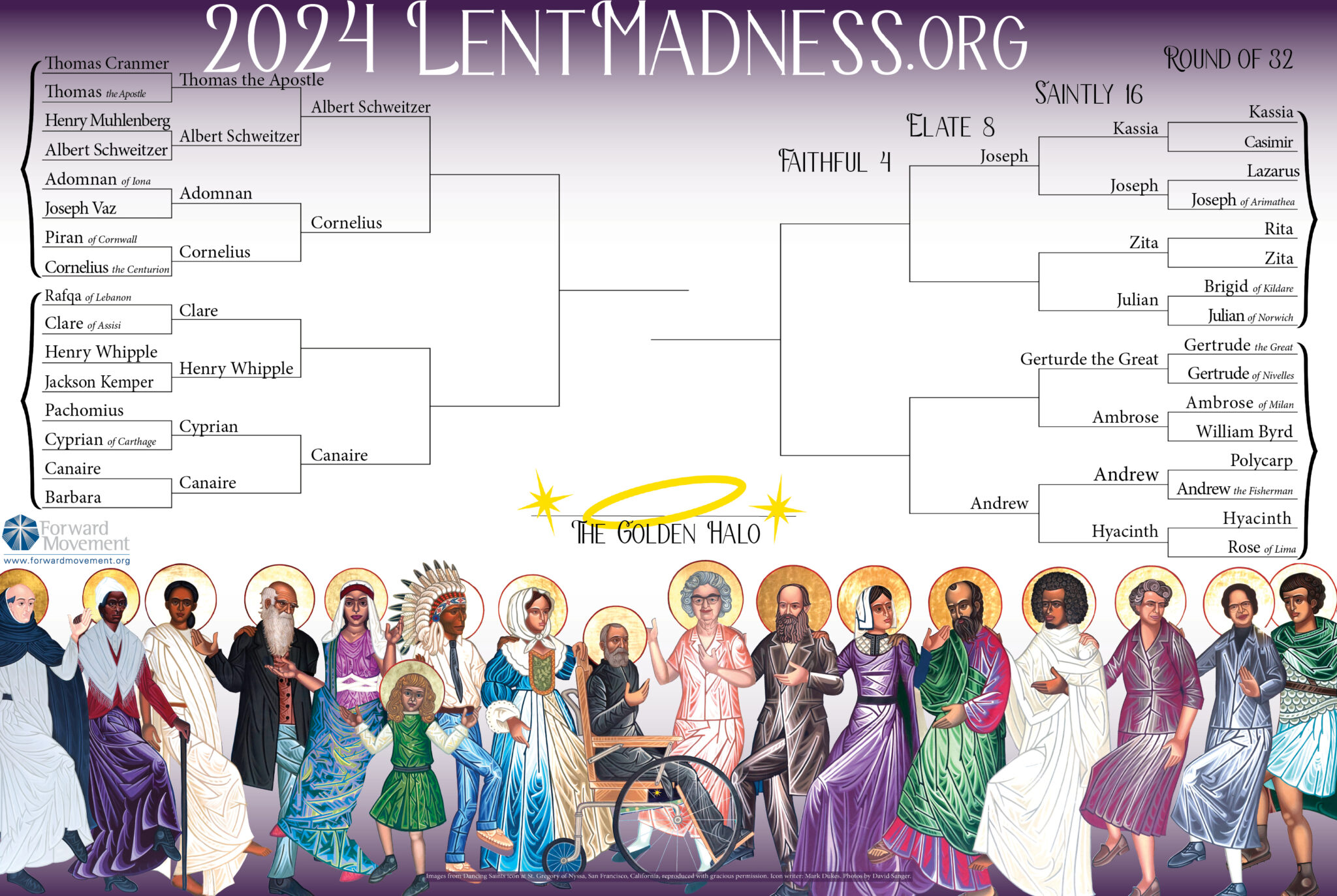
Today, May 8, is the feast day of Julian of Norwich, and for those of you who have been participating in Lent Madness, you will recall that of 32 hopefuls, Julian won the Golden Halo in this year's competition.   A silly game but a useful way to get to know some heroes of the faith.

Lately in sermons and in a piece in last week's parish newsletter, All Saints Alive, I've shared a few passages from Julian's writings.   Here are a couple of things I've found in today's reading.

In a sermon from 2018, Brother David Vryhof of the Society of St John the Evangelist offers an engaging and accessible introduction to Julian's life, times, and thought, found here.

In a video from YouTube, English church explorer Simon Knott gives us a tour of St Julian's church, which became the home of Julian when she became an anchorite, found here.

Finally, the Collect for the feast day of St. Julian.

Collect

Source and Partner of the eternal Word,
who brought to birth in the Lady Julian
many visions of your nurturing and sustaining love, move our hearts, we pray,
to seek your will above all things,
that we may know the joy of your gifts
and embrace the gift that is simply yourself;
through Jesus Christ our Lord,
our Saviour, Brother, and Mother,
who is alive and reigns with you and the Holy Spirit, one God, now and for ever.


Friday, March 15, 2024

Lent Madness: Julian of Norwich Takes On Zita (or is it Rita?)

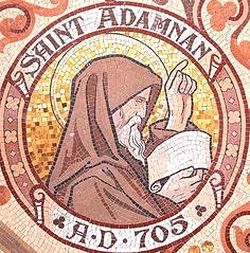
 Catching up with Lent Madness at the end of the week, we find that Cornelius the Centurion tamed one of our Shamrock Saints, Andoman, who goes back to the Emerald Isle.   Likewise, the last of the Grappling Gerties, Gertrude the Great, was pulled off stage by the ecclesial crozier of Ambrose of Milan.


Today it's one of the girls from that wacky sitcom, "Rita and Zita", vs that wise and sensible English mystic, Julian of Norwich, and I feel confident in calling this one for Julian.

Vote here.

Tuesday, March 12, 2024

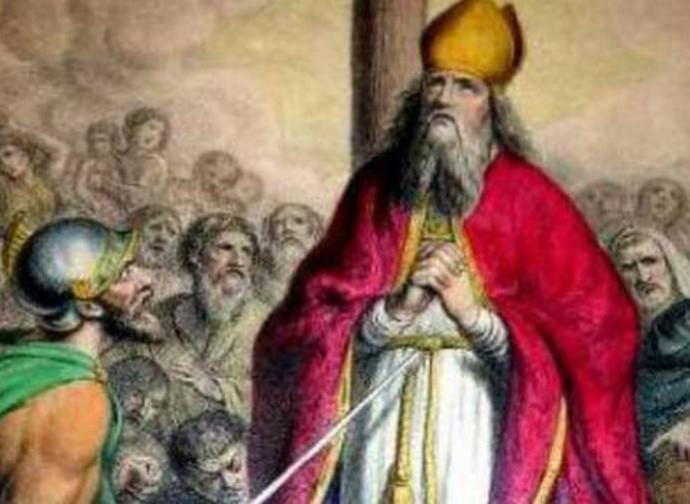
Lent Madness: Irish Water-walker vs Actual African Martyr

 Welcome back to Lent Madness 2024.  If you look at the two leaderboards, one in the parish hall, the other just outside the church on the bulletin board by the sacristy, you'll see that the numbers of winners are starting to thin out and the numbers of losers are growing.  That's the way Lent Madness works.  Fortunately, we're all winners in heaven!

Yesterday I was busy with grandchildren so no time for a post here, but Joseph of Arimathea defeated Kassia of Byzantium.   This was a surprising win, as I thought Kassia would be a favourite around International Women's Day, but Joseph shows the drawing power of the biblical saints in this year's contest.  Joseph will go on to face either Zita (or is it Rita?) or Julian of Norwich, depending on who wins that contest.


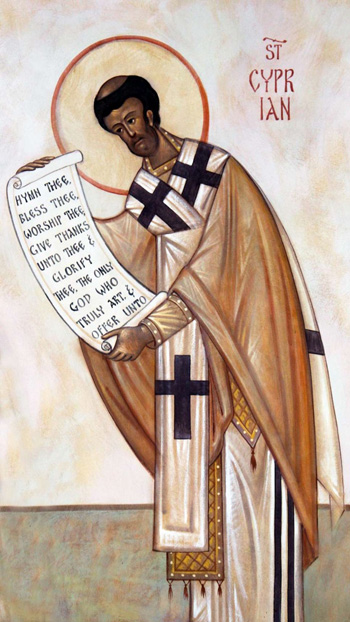
Today's matchup features Canaire of Ireland vs Cyprian of Carthage.  Canaire offers a charming story with a feisty feminist retort to a stodgy old abbot (who may have been her sibling), and a win for Canaire would avenge the defeat of her fellow Irish contender, Brigid.   It being so close to St Patrick's Day, does Canaire have a shot at the next round?


In the other corner, we have Cyprian of Carthage, whose life, faith, writings, and ultimate faithfulness to our Lord are all documented.


It must have seemed strange to the Roman authorities to have been confronted with such early Christians.  Official Roman religion was seen as the glue that held Roman society together, but not something that really mattered spiritually or was ultimately true.   The early Christians, however, actually believed that their God was true, real, and lord of the universe, and were willing to die for that faith.  Blessed Cyprian was one of that number.

Vote here.

Friday, March 8, 2024

Lent Madness: Two Who Spread the Word, and One Who Spread Himself

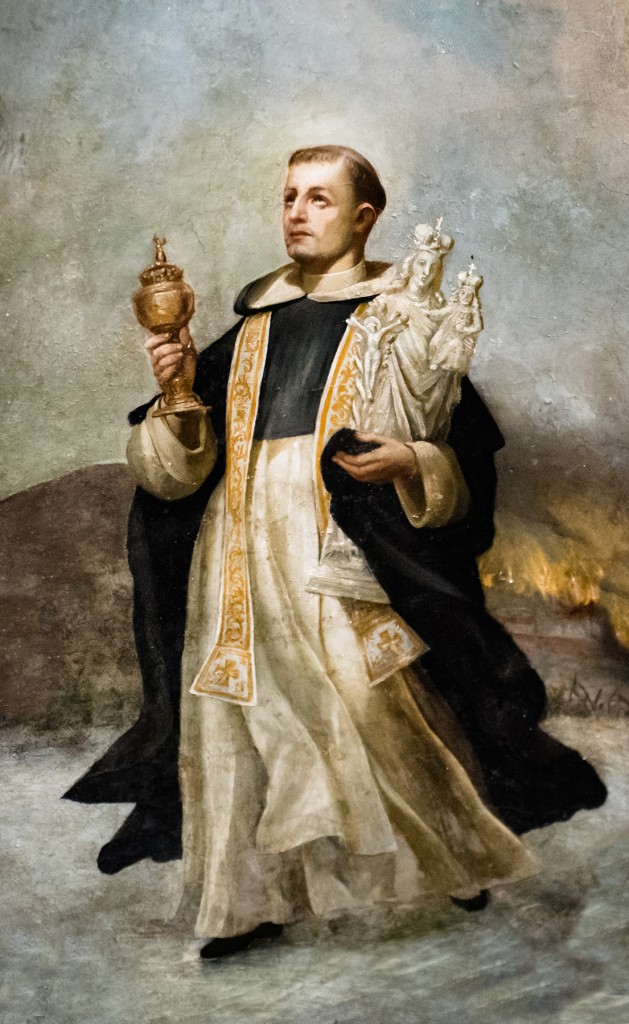
 As we saw with Thomas the Apostle's defeat by Albert Schweitzer yesterday, the Dangerous Disciples are no longer a Duo.   Today sees the other of Jesus' chosen friends, Andrew the Fisherman, going up against the medieval preacher, Polish saint, and water walker, Hyacinth.


Reading today's post at the Lent Madness website,  I noted that water walking is a theme in this year's LM:  Piran of Cornwall surfed on a millstone, Canaire walked on the ocean to go browbeat a stodgy abbot, and Hyacinth used his cloak as a ferry service.  Me, I fall out of my kayak.   Go figure.   

As a preacher, there's something humbling that while Hyacinth was famous for his sermons, not a word of them survives, and yet he is remembered for spreading the faith all through the Baltic region and parts of eastern Europe.


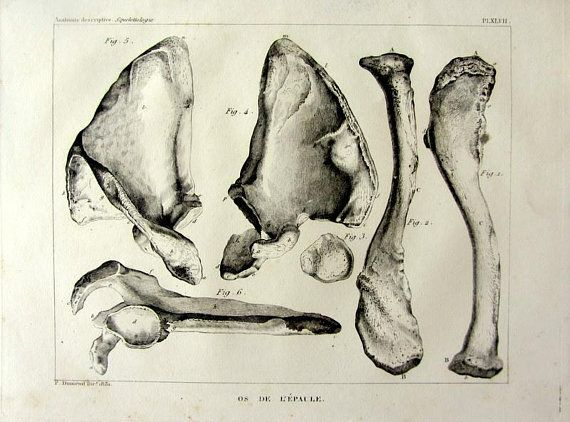
Like St Hyacinth, St Andrew also spread the faith across the known world, and likewise spread his bones.  The image above purports to show those of his bones currently resident in Scotland - about 7% of the bones of his body.  The rest are spread far and wide.  Talk about feeling scattered!

I'm going to call St Andrew as today's winner, because Scotland.    Vote here.

Thursday, March 7, 2024

Lent Madness: The Polymath vs The Apostle

 Greetings Hagiophiles!

Today we see the Saintly Sixteen completed, as Clare of Assisi had a tidy victory of Rafqa of Lebanon.   Nobody's going to call her Poor Clare now, unless it's her accountant doing her taxes.  The thirty two holy hopefuls have been cut in half (well, not literally, though that was one method of martyrdom - see Hebrews 11.37), and now things get really serious.


Today it's our friends Albert Schweitzer (big moustache, did everything, certified polymath) versus  Thomas the Apostle (hand picked disciple, doubter but then believer, reluctant apostle).


Biblical characters so far in Lent Madness 2024 have done well in getting into the next round, but here Thomas runs into a bona fide historical figure whose deeds are documented, whereas Thomas' story, if you read today's post.  The third century text The Acts of Thomas, for example, has many charming stories (legends, really) including how, while he was in India, Thomas found and baptized the Magi who had gone to Bethlehem to honour the infant Jesus.

What do we make of these charming stories?  The councils of the church excluded certain books, like The Acts of Thomas, from the canon of scripture, doubting their orthodoxy in some cases, or their accuracy in others.    The Reformation was notoriously hard on the saints' lives and stories, like the ones about Jesus as a child, that had grown up during the Middle Ages.  The Reformers disapproved of legends that they felt distracted the faithful from the saving truth of scripture, which alone could save us (sola scriptura).

However, today as our bible study noted when we met yesteday, millions of people follow the show The Chosen, a multi-season life of Christ that makes liberal use of invented events and characters to flesh out the story and the world of Jesus and his followers.     Perhaps it is because we are a story telling people that we need stories and legends to make biblical characters real.   The same is true of history, as the Ridley Scott movie Napoleon shows.

Anyway, I digress.  Vote here.

Wednesday, March 6, 2024

Lent Madness: Sisters Are Doing It By Themselves

 Greetings saint supporters!

Catching up after a very rejuvenating retreat this weekend, and discovered that Julian of Norwich easily put out the fiery Brigid of Kildare.   While I'm always sorry to see an Irish saint go down to defeat, I must admit that Julian of Norwich's resume is much more substantial than that of someone who probably began her career as a Celtic fire goddess.   Julian is a hero of the Christian mystical devotional tradition and she will go on to face (and, I predict, defeat) Zita.  Or is it Rita?  Who can tell them apart, really?

Apologies to Annie Lennox for the title of today's post.  One of the things I'm grateful to Lent Madness for is it's introductions to so many women who have embodied and passed on our faith through study, charity, and devotion to our Lord.  Today's matchup features two such saintly sisters, and they were sisters, in the religious and vocational sense.


Rafqa Pietra Choboq Ar-Rayès, to give her full name, saw her share of the religious violence that still afflicts her part of the world, and yet lived a life of quiet and calm devotion, making her own clear choices as to in which convents she would live out her vocation.  Her Wikipedia entry contains a particular graphic account of the loss of her eye, which did noting to relieve a suffering which she gladly embraced.  Today, when medicine keeps our suffering at bay as much as possible, and where MAID is an option, the desire of many saints to draw closer to the passion of Christ in their suffering is remarkable, and maybe even admirable.  Would we choose such a route, I wonder?


Clare of Assisi also reminds us that the religious vocation could be a liberating path in a man's world (and in a man's church).  Her decision to follow the way of St. Francis also reminds us of how Francis' call to embrace a Christ-like poverty and service must have captivated the imaginations of many.     Her example still inspires today, for her Order, the Poor Clares, maintain convents in BC and in Quebec.


Hard to call this one.   Vote here.

Monday, March 4, 2024

Lent Madness: Two Gertrudes Intrude

In last Friday's Matchup, Cornelius the Centurion gained another victory for the biblical saints by narrowly defeating Piran of Cornwall, thus showing that pious centurions can beat out hard-drinking Cornishmen.

In todays matchup, two Saint Gertrudes compete for the last spot in the Saintly Sixteen.   I confess that I'm a fan of the name Gretrude, which, sadly, is one of those arcane names like Beulah and Iris that don't seem to be popular for girl's names these days.  Also, I have fond memories of Gertie Hamelin, a friend of my mom's, who used to tell wonderful stories of life in wartime Scotland.  But I digress.


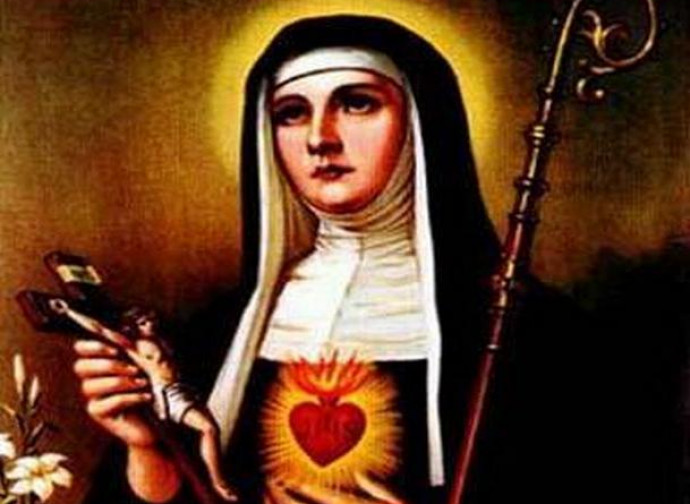
Saint Gertrude the Great has a decent resume, as a scholar, theologian, and mystic.  She is often depicted holding the Sacred Heart of Jesus, and she is credited with beginning the Catholic devotional tradition of meditating on the heart of Christ.


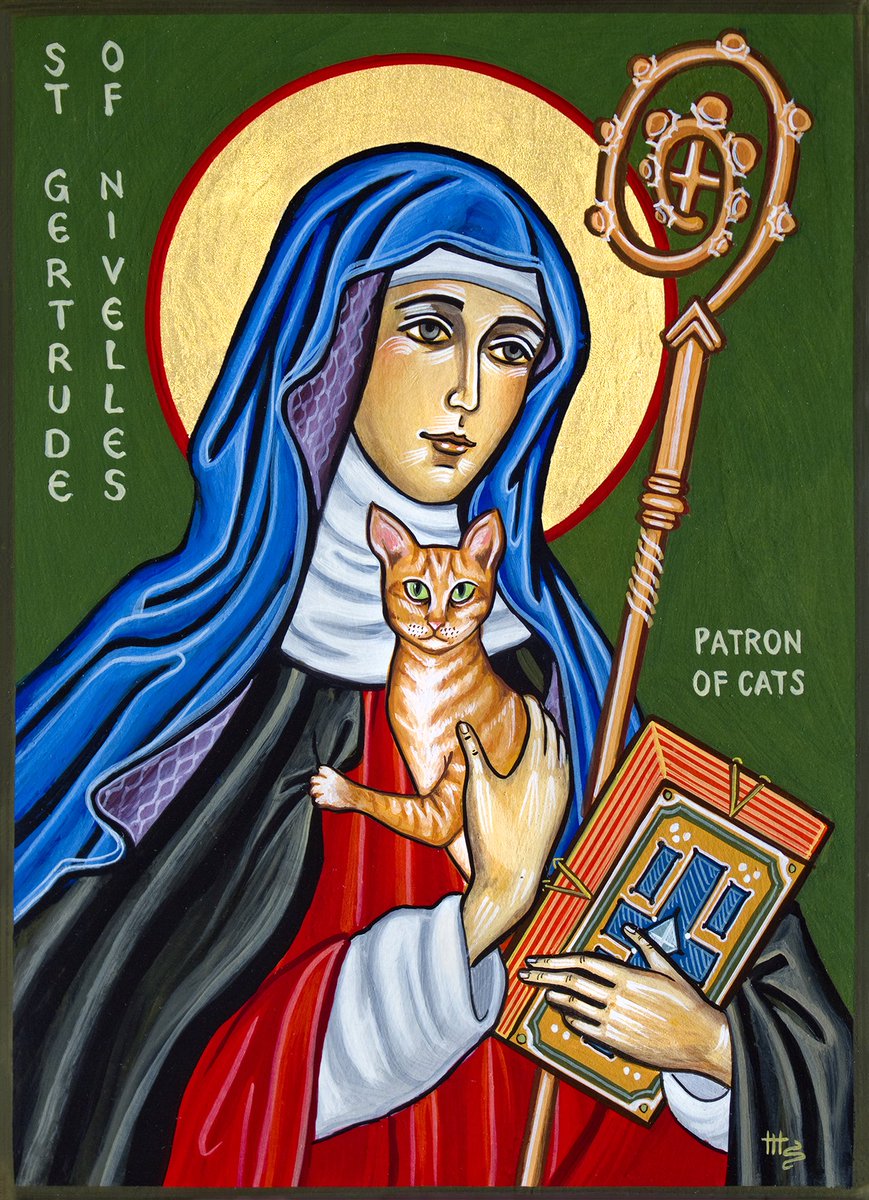
Gretrude of Nivelles, on the other hand, does not appear to have a resume to impress, but she had great regard for the souls in Purgatory (a belief of medieval Christianity in the west) and, since those souls were often depicted as mice, she became the patron saint of cats, which I think pretty much guarantees that she'll win.

I'm voting for Gertie the Great, but you cat fans vote as you please.  Vote here.

Friday, March 1, 2024

Lent Madness: Surfer versus Soldier

Good day saint supporters.

In yesterday's match of the battling bishops, Bishop Henry (the Whip) Whipple, like Jesus in the temple, cracked the whip and drove poor Bishop Jackson out of the ring.   Personally I'm not sure what the difference was between these two guys, but our American Anglican friends, the majority of Lent Madness players, have strong opinions and most threw their votes to Whipple.

In today's matchup, the corn jokes have already been done on the Lent Madness website, so I'll spare you, my puns would just be empty husks of humour.  Today we get to choose between Dark Ages Celtic fancy and a brief but important biblical appearance.

Piran of Cornwall is Irish by birth, so he's in good company in these year's competitors which include Canaire, Brigid, and Andoman.   Besides being the patron saint of tinsmiths and hard drinkers, Piran could be the patron of surfers.


Cornelius the Centurion gets my vote because he's a pious soldier, though the soldiers I knew would have probably wanted Piran as their Padre (see hard drinking).    Cornelius makes a crucial appearance in Acts 10 where he and his household are baptized by Peter at the Spirit's urging, thus convincing the church in Jerusalem to open membership to gentiles.  As a gentile myself, I say, thank you, Cornelius


I'm voting for Cornelius myself, but I suspect Piran will win the day because of his various antics.

Vote here.


Thursday, February 29, 2024

Lent Madness: Battling Bishops

 In yesterday's matchup, Zita handily disposed of her fellow Italian saint, Rita.    I confess that I didn't have much enthusiasm for that particular faceoff, but I'm still hoping for the sitcom.

Today the mitres are mixing it up and the croziers are clubbing as two Victorian bishops of the US Episcopal  church put up their pious dukes.  I think this is the first matchup of the year featuring two bona fide Anglicans in the ring.

In this corner, Bishop Henry (The Whip) Whipple.


Like his Canadian contemporaries such as Bishops Moutain and Strachan, he was not only a church builder, he was a diocese builder.   He spent most of his adult life (42 yrs) as the first bishop of Minnesota, and was a fearless advocate for the indigenous people that most American settlers and politicians saw as a nuisance at best, and as inhuman at worst.   For that, he deserves the church's gratitude and memory.  Fun fact, there is a massive government structure, the Henry Whipple Federal Building, in Minnesota.


When I was a divinity student at Wycliffe College, we used to hear about Isaac Stringer, the Archbishop of Rupert's Land, also known as "the Bishop who ate his boots" because once, trapped in a cave during a blizzard, he boiled and ate his deerskin boots.    Jackson Kemper was a bishop of that ilk.  Not sure what he ate during his long travels through the largely unsettled Northwest US, but he seems tireless.     

Fun fact, both contestants had a role in ordaining Enmegahbowh, the first American indigenous Episcopal priest and a contestant in Lent Madness 2023 who made it to the Saintly Sixteen.  Kemper ordained him a deacon, and Whipple ordained Enmegahbowh a priest.

For that, don't they both deserve a vote?

Vote here.

Wednesday, February 28, 2024

Lent Madness: Sounds Like A Sitcom Matchup

 Greetings Halo Hopers:  

I was a little surprised that William Byrd played some sour notes and was voted off the stage in favour of Ambrose of Milan.   That takes my record to 3 wins and 6 losses.    

Very pressed for time today so nothing to add in the way of witticisms, except that "Rita and Zita" sounds like the title of a TV sitcom.  Hard to choose between them, as Rita's life seems unbearably sad, but I suspect that Zita will win because a) her name is cooler and b) we all lose stuff, including me, the guy who asks my wife to call my cell phone so I know where it is.

Vote here.

Tuesday, February 27, 2024

Lent Madness: The Reluctant Bishop vs the Discrete Musician

 Welcome to our second full week of Lent Madness 2024.     In our last matchup on Friday, I was surprised that the North African theologian Cyprian of Carthage beat Pachomius, one of the founders of monasticism.  That takes my record of predictions to 3 wins and 4 losses.

I didn't post on yesterday's matchup between Andoman and Joseph Vaz, and didn't have thoughts on who would win.    Anyway, congratulations to Andoman, our second Irish saint in this year's Lent Madness.    


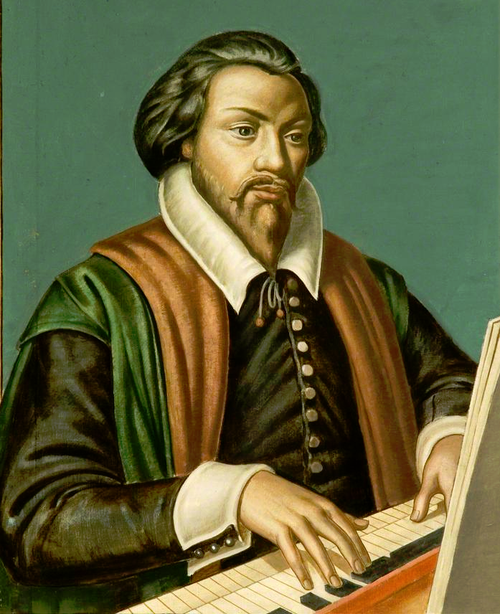
In today's matchup, Ambrose of Milan squares off against William Byrd.   


It's always a good rule to be suspicious of clergy who desperately want to wear a purple shirt.  Ambrose, by contrast, wasn't even baptized before he was chosen by the faithful of Milan to be their bishop.  He would go on to be a fearless opponent of tyrants and heretics, and like his opponent today, managed to write a hymn or two, some of which survive today and which you might hear in church during Advent.


If Ambrose was reluctant, William Byrd was discrete.  He managed to keep his head down (and on) during the tumult of the Tudor period, even though he was a Roman Catholic.   Queen Elizabeth I was a fan.    Like that of his contemporary, Thomas Tallis, Byrd's music has a haunting beauty and took advantage of the taste in complex polyphony (multiple voices and parts) of the time.   Here's a taste.

I'm a fan of Tudor church music, so I'm going with Byrd to win.    We'll see if other birds of a feather flock to him.

Vote here.

Thursday, February 22, 2024

Lent Madness: Graves and Graces


It wasn't even close.  Poor Polycarp was a catch and release contestant, while Andrew the Fisherman filled his nets with votes.  Andrew will go on to face Hyacinth.  We will see which one will blossom.

Today's matchup points us towards Easter because both saints represent empty tombs.

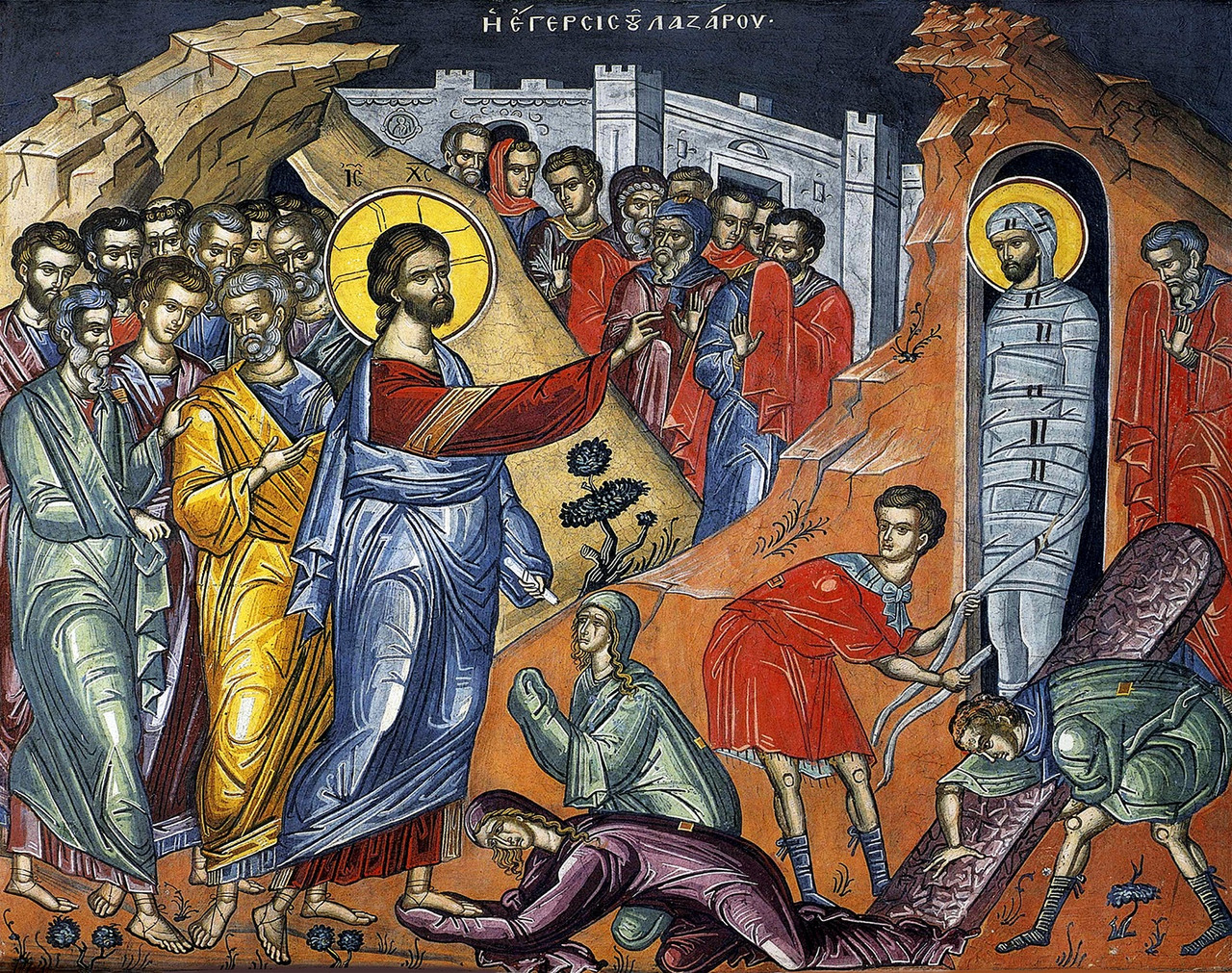
In one corner, looking a bit like The Mummy, is Lazarus of Bethany,


I've always felt a little sorry for Lazarus, because he had ample time to enjoy the pleasure of heaven, assuming that we go there and don't just sleep until we are called awake on Judgement Day (both are attractive prospects; the first sounds a lot like the wonderful ending of CS Lewis' The Last Battle, the second sounds like a good rest).

What makes Lazarus human as well as miraculous is that he and his sisters were friends of Jesus, who knew their house and welcomed their hospitality.  May our Lord always be welcomed under our own roofs.

In the other corner, we have Joseph of Arimathea.


All the gospels agree that Joseph was one of the friends of Jesus who care for his body after his death on the cross, selflessly giving up his own tomb for our Lord.  As someone who had his own tomb, Joseph must have been a man of substance,  He must have been notable in his community, because he was allowed an audience with Pilate the governor and requested that Pilate release Jesus' body.  Notable or otherwise, that must have taken courage on Joseph's part.   John's gospel also tells us that he was a Pharisee but secretly recognized the truth of who Jesus was.    That makes him very human.  Not all of us have the courage to give up our security for our beliefs, and so we try to do the best we can under the radar.

So an interesting choice.  Lazarus was the recipient of grace, while Joseph was an active benefactor of Jesus.    Your choice.

Vote here.

Wednesday, February 21, 2024

Lent Madness: The Carp and the Fisherman

As I predicted (correctly, for a change), in our Lutheran Lashup, Henry Muhelenberg was soundly defeated by Albert "Out of Africa" Schweitzer, proving that a handsome moustache can give a saint an edge.     Albert will go up against Thomas the Apostle and that will be an epic challenge.


 Was Polycarp burned wearing his bishop's vestments?  Mitre been.

For today's Saintly Scrapple, in one corner we have Polycarp of Smyrna, a bishop, theologian, and martyr of the early church.  He joins Thomas Cranmer in this year's Lent Madness roster as a bishop who was sentenced to be burned at the stake, though his executioners found that task harder than expected.

Polycarp was a defender of what we would today recognize as credal Christianity and orthodoxy, though in his lifetime at was a massive dragout debate.   He is famous for embracing his martyrdom serenely at an advanced age, saying  to his Roman persecutors, "Hear me declare with boldness, I am a Christian".  That's a good sermon for this coming Sunday's gospel reading, in which Jesus tells us not to ashamed of him or of his words (Mark 8.38).

Polycarp.s opponent is the fisherman, disciple, and apostle, Andrew the Fisherman, who is one of the characters of the popular series "The Chosen".


If learned and wise people like Polycarp kept the faith, it was simple and brave people like Andrew that established the church.  Both Polycarp and Andrew deserve honour and veneration, and both were willing to die for their master in hope of the resurrection that he promised his followers.    Hard choice. 

Andrew apparently went everywhere in his career as an apostle, so players of Lent Madness with Scottish, Romanian, Ukrainian and Russian descent will likely tip the balance in is favour.

My prediction is that Andrew will come out of today with his net full of votes.

Vote here.

Tuesday, February 20, 2024

Lent Madness: Grappling Germans

Our last matchup saw the Irish saint Canaire skipping across the waves while "Boom Boom" Barbara came close but ultimately flamed out.   I'm always a sucker for an Irish accent, so I backed Canaire and now my prediction record is 2-2.

Today's matchup features two Teutonic titans, two grappling Germans, zwei disputing Deutschers. 


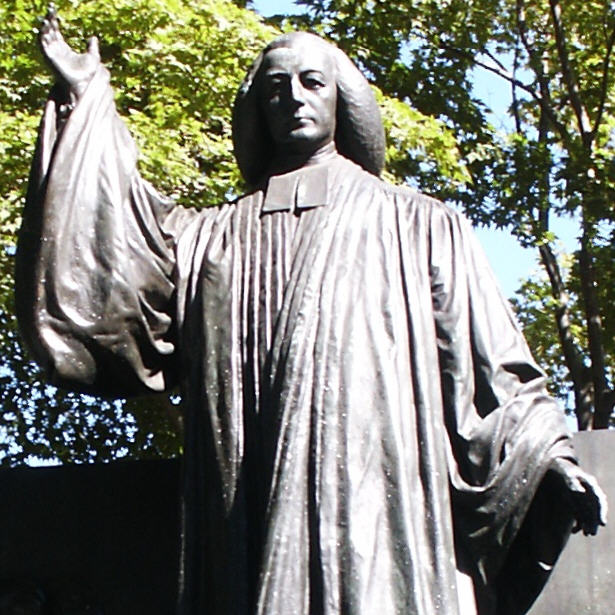
Henry Muhlenberg looks to me a lot like the Anglican missionaries and clergy who came over to Canada and America in the 1700s to found the church here.   It's interesting to note that other Christian denominations were doing the same here, and the German diaspora would have had it's share of Lutherans coming to minister to them.    (Fun fact:  it wasn't just Lutherans, our friends in Collingwood at New Life Church can trace their roots back to Low German settlers in Pennsylvania who were Anabaptist, and who became known as Brethern in Christ.  Christianity then as now was quite diverse). 

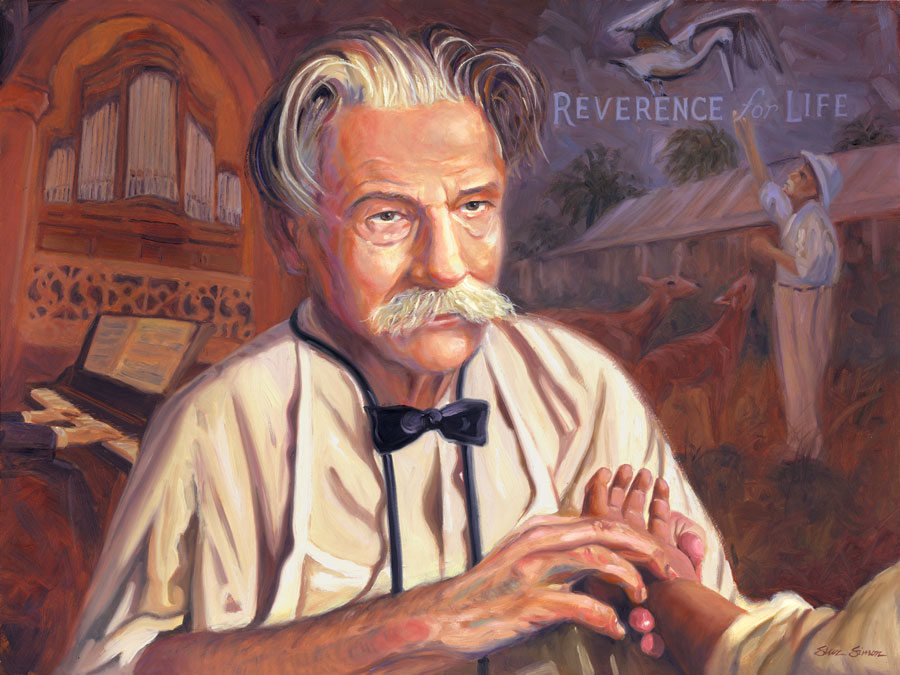
I almost feel sorry for Henry, he has a sweet kind face, but he doesn't have the awesome moustache or reputation of Albert Schweitzer.


Pastor, theologian, musician, doctor, missionary, author - is there anything that Schweitzer didn't do better than almost anyone else?   Fun fact, Schweitzer makes a cameo appearance in Young Indiana Jones, a TV series aired in the early 1990s.  You can see a brief clip here.

I'm willing to bet that Schweitzer will handily win this battle of the Dueling Deutschers,  but he'll go on to face Thomas the Apostle, and that will be an epic battle.

Vote here.

Monday, February 19, 2024

Lent Madness: Duelling Mistresses of the Elements


I hope that if you're reading this, you're enjoying Lent Madness 2024 and have learned something about some of the strange and wonderful figures of our faith.  To track the progress of our Halo Heroes, there are two "leader boards" in the church where you can track their progress.

Progress was one thing that poor Casimir conspicuously lacked.  Even with three hands, he was unable to stop Kassia from sprinting to the finish line.  She'll be a strong contender.

Today's matchup features two ladies who feel like they might be at home in a Marvel superhero film because they have control of the elements.


Saint Canaire, an Irish saint, is famous for walking (some say on water for part of the way) from Bantry Bay in County Cork, 182 kns north to Inish Cathaigh, now named Scattery Island.  She was then an aged woman who had spent her life as a holy hermit, and had a vision that Inish Cathaig would be where she would die and await the resurrection.  Cathaig was occupied by a grumpy monk, St Senan, whose monastery had a "no girls allowed" policy, but Senan was impressed by Canaire's insistence that God loved women and men equally.

There is a wonderful account of her life here, and I feel like Canaire's last journey would be an excellent pilgrimage route and a great excuse to visit the beautiful south of Ireland


When I was a military chaplain, I was always fascinated by the tradition that certain branches of the military had their own patron saints.  Barbara is the patron saint of artillery, or gunners as they like to call themselves (army joke:  how do you know that someone is a gunner?  Answer:  what?  eh? speak up!).   

Barbara's association with explosives and fiery ends comes from the story of how her pagan father was punished for murdering her.   Once again we note the theme of embattled chastity in the lives of the early female saints.

So today's matchup features a fiery lady vs a water walking hermitess.    My money's on St Canaire just because my heart's in Ireland, but my prediction record thus far is 1 win, 2 losses, so there you go.

Vote here.


Saturday, February 17, 2024

Lent Madness: Kassia vs The Pious Pole


Today's Lent Madness matchup feels a little one-sided to be honest.    In one corner, we have Casimir, the national saint of Poland and Lithuania, whose biography doesn't exactly make one want to run to the voting both and mark your ballot for him.    Other than being learned, pious, and possibly having three hands (which would make him the patron saint of multitaskers), Casimir's life could be summed up by the motto "Die Young, Stay Holy".   Mind you, there is a Polish-Canadian Roman Catholic parish named after him, so I wouldn't want to denigrate him, because, well, have you met Poles?


In the other corner, we have St Kassia, a strong-willed and learned nun who also appears as a character in the TV series, The Vikings, where her behaviour is, well, somewhat less than saintly..


Kassia's music is still sung in the liturgy of the Orthodox church, and she was a prolific composer, poet, and theoligian, not unafraid to stand up to the Emperor of  Byzantium.  The Emperor was an "iconoclast", an opponent of religious imagery called icons,  Kassia was willing to be beaten for her opposition to the Emperor, saying that "I hate silence when iut is time to speak", which is a good motto for anyone of integrity, really.  The next time you're in All Saints and see the icons by the votive candles in the east transept, say a prayer of thanks to Kassia.

My predictions thus far have been rubbish, but I'm willing to say that Kassia will beat Casimir in a landslide.

Vote here.


Friday, February 16, 2024

Lent Madness: Floral Faceoff

Today is the second contest of the Halo Heroes that we will be following this Lent.    Yesterday in the battle of the Thomases, our Anglican champion, Thomas Cranmer, got burned by Thomas the Apostle, whose chances no one should have doubted.

In our second matchup, in one corner we have St Hyacinth of Poland, who fans of Keeping Up Appearances might have thought had a girl's name, but in fact, judging from the artwork online, was a handsome and buff young fellow, which might explain why he is the patron saint of weightlifters (see the story at Lent Madness to find out why he is associated with lifting heavy objects).


In the other corner is St. Rose of Lima, whose images online remain resolutely beautiful, despite her biography which describes how she disfigured herself so that her beauty and the suitors it attracted would not distract her from the religious life.


It's not uncommon in the lives of the women saints to find that they felt the need to hide or veil their beauty in order to lead a spiritual life.    Some see this stories as proof of the misogyny inherent in Christianity (going back to the temptation of Eve) but Lent Madness reminds us that the desire to love and serve God transcends time and gender.     We should revere these saintly women for hearing and following God's calling, even at great price.

My modest prediction is that St Rose will win and bloom in the next round.

Vote here.

Sunday, November 5, 2023

Ordinary Saints: A Homily for the Feast of All Saints

Ordinary Saints:  A Homily for The Feast of All Saints.  Preached at All Saints, Collingwood, the Anglican Diocese of Toronto, Sunday, Nov 5th.

Readings for All Saints:  Revelation 7:9-17; Psalm 34:1-10, 22; 1 John 3:1-3; Matthew 5:1-12


What does it mean to be a saint?   Who can be a saint?    Today we celebrate our parish’s patronal or namesake festival, The Feast of All Saints, and while its calendar day is always 1 November, we use the readings and prayers for today because we as Anglicans always enjoy a good party.


All Saints, like its companion feast, All Souls, which we celebrated on November 2nd, invites us to remember that we keep good company.  Today, as we do every day of our lives, we live and move and have our being amidst those believers across the centuries that we call the saints.   


All of us, if we were pressed to define what it means to be a saint, might appeal to different strands of our Anglican tradition.    Some of us, comfortable with the Catholic heritage of our faith, might think of the saints spiritual superheroes in life and who now act as special conduits of grace, as friends and advocates who ask God’s mercy and favour on our behalf.   Others, schooled in our Church’ Reformed heritage, might simply say that the saints are especially notable Christians whose lives and stories provide us with models on which to fashion our own faith lives.  


The problem with both of these ways of thinking is that they tend to elevate the saints to, well, sainthood.   It’s difficult for us to relate saints to our daily lives, unless we’re searching for our keys and we invoke the help of St. Anthony of Padua, patron saint of lost items!


Rudyard Kipling, in his poem “Tommy”, wrote that “single men in barracks don’t grow into plaster saints”.   Kipling’s poem was written in defence of the rough, common soldiers who defended Britain.  However, his phrase “plaster saints” draws on the idea that saints are somehow remote, fragile, even irrelevant figures is unfortunate, as  I suspect that most of us could say that we have known a saint in our lives.  


I’m sure that each of you could name some particular person who was a role model of faith to you and whose memory you still cherish.   As Isaac Villegas notes, saints can simply be those “who’ve made possible our faith”,  who have shown us how to be disciples, and to whose faith we are still indebted.   


These saints are obscure.  They are not mentioned in books and they are not depicted on icons, but they live in our hearts and they accompany us. me there’s one particular person I come back to, someone who was a cherished part of my early teen years.


Father Wilbur was the priest in the small parish that my family attended in rural British Columbia.   He happened to follow a rector who was tall, handsome, and eloquent.  Fr. Wilbur was none of these things, but he was funny, kind, and generous with his time to the awkward and lonely boy that I was.   He let me spend many hours with his unruly family in the rectory, he taught me to be an altar server, and, thrill of thrills, and he allowed a thirteen year old to swing a metal orb full of flaming coals to produce thick clouds of incense.   Nothing could have been cooler!


Five years later I returned to that small town and met Fr. Wilbur in the last summer of his life.   He was still kind and he remembered me fondly, though he had trouble talking because of a sizeable and inoperable brain tumour.  I wish I could have promised him my prayers, but by then, after a year at university, I was foolish and arrogant and already cooling on religion.   I regret that I wasn’t more moved by his serenity and by the same, simple holiness that was his great gift as a priest.  Alas, I used him as an excuse to walk away from the church, reasoning, as only a callow youth can, that if God could treat Fr. Wilbur so poorly, then God wasn’t really worth knowing.


It took me many years to discover the truth of what the author of Hebrews says, that “we are surrounded by so great a cloud of witnesses” (Her 12.1).    Fr Wilbur’s memory never really left me, and after my life had run aground in disastrous ways, I came to see his simple and generous heart for the gift that it truly was.  


I came to realize that God had never abandoned Wilbur.    It was I that had abandoned God, and yet I am convinced that Wilbur’s love and even his prayers from his place in the heavenly host pulled me through some dark places and times.   And since, in the twenty years I’ve been ordained, I’ve always tried to be as good a priest as Fr. Wilbur.


For me this example pulls together several strands in our thinking about sainthood.   A saint can be a role model and also be a conduit of grace, and perhaps the best saints of all are the ordinary ones.   Not all saints need be martyrs, nor do they have to embrace some austere and impoverished vocation.   We need these ordinary saints, for most of us are called to ordinary things; not all of us, to quote a beloved hymn, are called “to kiss the leper clean”.  


For those of us called to live ordinary lives, and to serve in ordinary ways, we need ordinary s4aints.   A simple priest in a small town, a greeter, a lay visitor, a hospice volunteer, a cancer patient who still takes part in the parish prayer group, these are all examples of saints who touch the lives of others and push them with graceful hands into the paths of righteousness.   We need ordinary saints to remind us that we too can be ordinary saints, for really, what is a saint but someone who has heard and answered Jesus question to each of us, will you follow me?


Rowan Williams has written that there are two people named in the Apostles’ Creed, Mary and Pilate.   Mary says yes to God, while Pilate says no.  As Isaac Villegas writes, most days “we wobble  from one figure to another”, but if on our best days we can say yes to God with Mary,  follow Mary’s example and say yes to God and because we do so, it is because we have been given the gift of sainthood.  


Sainthood is simply the grace that allows us to say yes to God and follow Christ.   Thus Saint Paul in the openings of his letters, always greets the hagioi, the holy ones or saints of the churches he addresses.   Paul is writing to ordinary Jesus followers, ordinary saints doing ordinary saint things, and sometimes falling short, but still saints because God in Christ has made them his holy people.


Ordinary saints doing ordinary saint things.   Recently we held an event called a Ministry Fair, where we showcased the various volunteer positions and jobs that make our parish so lively.    What are the qualifications for these positions?  Well, you have to be a saint,  which simply means all ministries, arises out of our response to God’s call, the yes we have given to Jesus as his followers.   Together, your ministries will be local, specific, ordinary, and yet terribly important to those whom they serve.  


So, are saints special avenues or sources of grace that bring us closer to God?  I would say yes.  Are saints also role models for our own discipleship?  Again, I would say, yes.   So. tonight we rejoice in the great cloud of witnesses, the communion of saints, some great, and some known only to a few, who have shaped our lives and shown us God’s grace, love, and wisdom.   We give thanks for their life and witness, we entrust them to God’s love and care, and and we open ourselves to their influence in our lives.



Mad Padre

Mad Padre
Opinions expressed within are in no way the responsibility of anyone's employers or facilitating agencies and should by rights be taken as nothing more than one person's notional musings, attempted witticisms, and prayerful posturings.

Followers

Blog Archive

Labels